
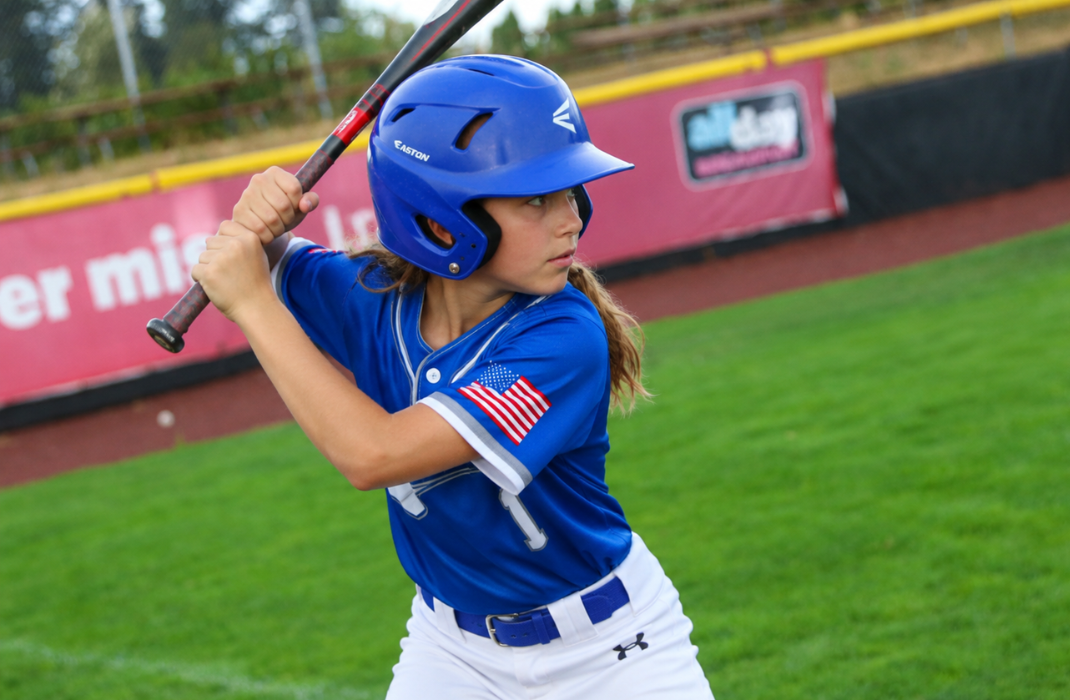
Fastpitch Fielding Development Training
Softball Fielding Training in Manassas, VA
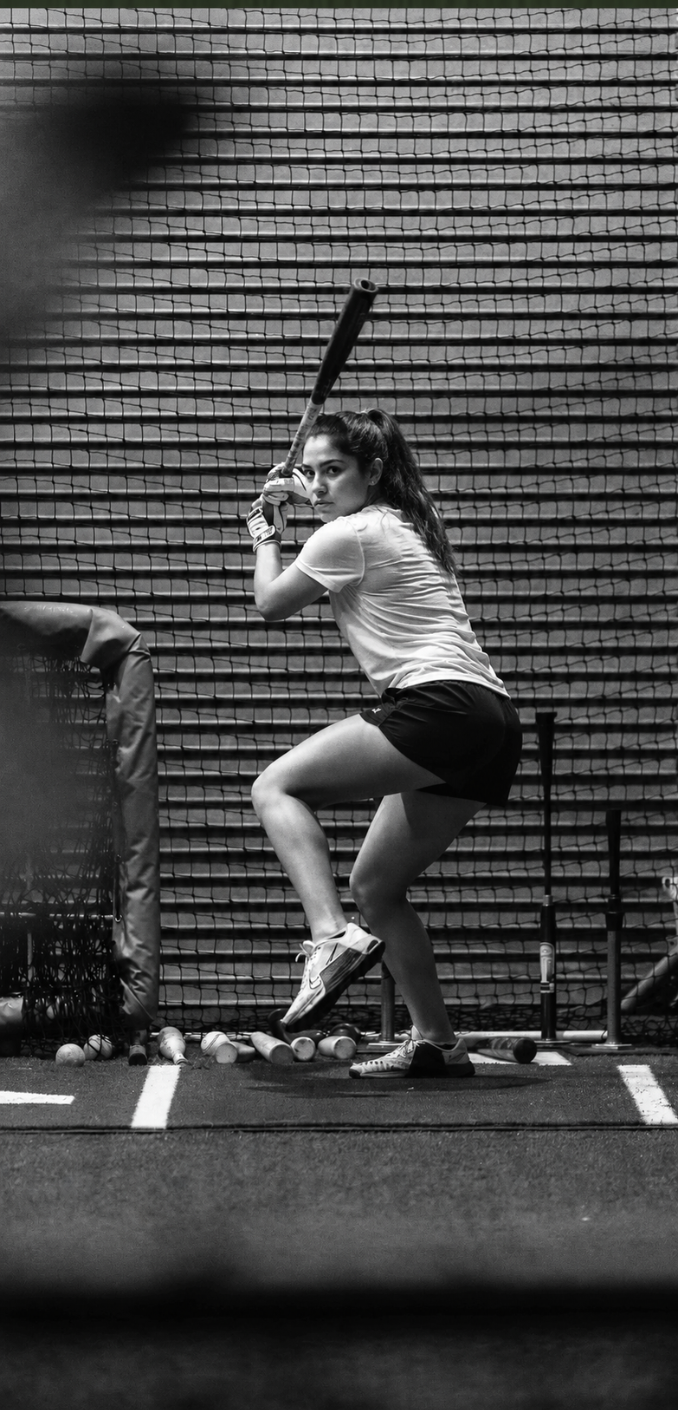
SIXTY FEET, NOT NINETY
NO TIME TO THINK.
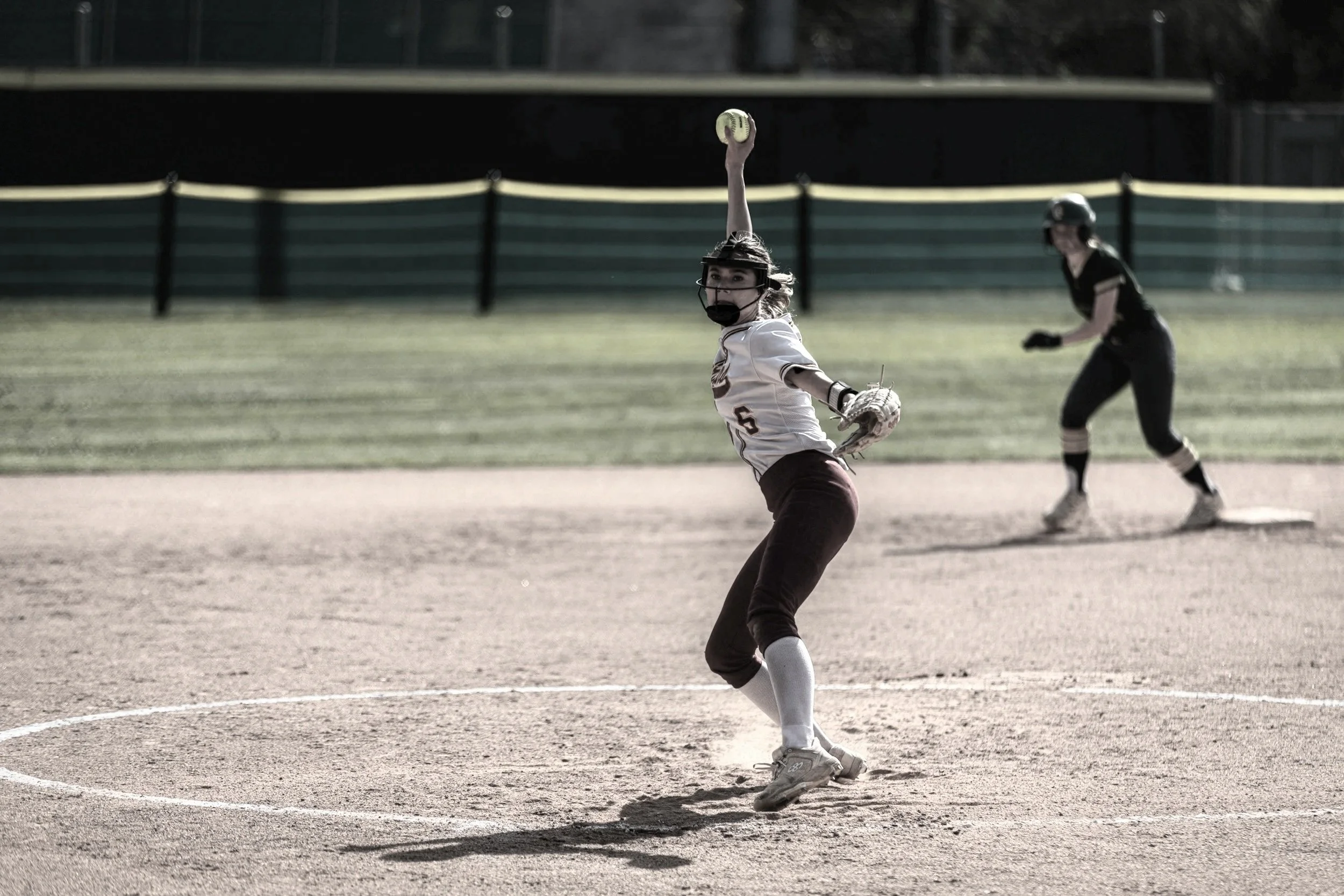
On a softball diamond the bases are 60 feet apart. On a baseball diamond they are 90. Same batted ball, roughly two thirds of the time to do something about it. Fastpitch defense gets trained on its own terms.
FIRST STEP SLAPPER DEFENSE 60 FOOT BASE PATHS TURN AT SECOND POP TIME PRE-PITCH MOVEMENT OUTFIELD READS
FIRST STEP SLAPPER DEFENSE 60 FOOT BASE PATHS TURN AT SECOND POP TIME PRE-PITCH MOVEMENT OUTFIELD READS
OUR PROCESS
HOW IT WORKS
STEP 1
TRAIN THE FIRST MOVE
Her feet are already moving as the pitch is released, not after contact. We rep balls fielded moving forward, plus the short-arm throws, knee throws, and off-foot throws that come with them.
STEP 2
DEFEND THE SLAPPER
Fastpitch has a weapon baseball does not, a left-handed slapper already moving toward the plate at contact. We drill that look and the positioning it forces on corners, middle, and first.
STEP 3
WORK HER POSITIONS
The turn at second is its own footwork in fastpitch, and outfield throws are short enough that the decision matters more than the arm. Catchers win pop time with transfer and footwork.
HERE’S WHAT YOU GET
WHAT’S INCLUDED
► Pre-Pitch Movement Work
► First-Step Read Training
► Fielding On The Run
► Slapper Defense Drills
► Corner Play Positioning
► Middle Infield Turns
► Short-Arm Throw Reps
► Transfer And Pop Time
► Catcher Blocking Work
► Outfield Read Decisions
► HitTrax Spray Charts
► Position-Specific Drills
Sixty feet leaves no time to think
A slow roller a baseball third baseman has time to read, charge, and set their feet on is a bang-bang play in fastpitch. Beyond The Diamond Performance runs softball fielding sessions at our facility on Robertson Drive in Manassas, coach-led, one hour, at game speed. We train the first move to be automatic and correct, because there is no room to fix a bad first step later in the play.
That means pre-pitch movement. It means fielding on the run, since she will field more balls moving forward than standing still. And it means throwing from where she is. Short-arm throws, throws from the knee, and throws off the wrong foot are real fastpitch plays, so they get real reps instead of being treated as mistakes.
Slap hitters change where everybody stands
She is already running when she hits it, and she can drag, push, or swing away from the same look, which is what makes her hard to defend. One hitter changes where all four infielders stand.
Corners play in
A third baseman against a slapper is playing on the grass, sometimes inside the baseline, and she has to field cleanly with a runner arriving fast.
The middle shifts
Shortstop and second cover different ground when the hitter is running left. First-step reads matter more than range.
First base holds the bag and covers ground
Both, on the same pitch.
If your daughter has only defended right-handed swing-away hitters, the first real slapper she sees will beat her, and that is not a skill problem. It is a preparation problem, and it is fixable in a session.
Middle infield footwork on the turn
The turn at second is different footwork in fastpitch. The throw is shorter, the runner arrives sooner, and the feed comes from a closer angle. We work the feed, the tag of the bag, the clearing step, and the throw as one move, from both sides, so she can play either middle spot when a coach asks her to.
Behind the plate and in the outfield
Catchers. The pitch comes from 43 feet, so a ball in the dirt arrives faster and takes a shorter hop. Blocking is about getting the body there early rather than reacting late. Her throw to second travels a shorter path than a baseball catcher's, so the clock is beaten in the transfer and the feet rather than in the arm. That is trainable at 12.
Outfielders. Throws are shorter, so the decision is the hard part. A runner tags from third and she has about a second to decide whether to challenge or hit the cut. We rep the read, not just the catch.
Positioning matters too. The spray charts our hitters put up on HitTrax show where fastpitch contact actually goes, which helps a defender learn to cheat a step in the right direction. Here is how HitTrax tracking works.
Who coaches it, and where
Coach Raul Rodriguez runs most of the defensive work. He played at a high level in Venezuela and Mexico, has spent five years alongside owner and head coach Alonso Ruz Vera, and specializes in fundamentals, game awareness, and position-specific training. Between them: 10+ years of combined coaching experience, 500+ athletes trained, and 25+ athletes who have gone on to play in college.
Sessions are one hour. Bring a bat, glove, and cleats. We supply everything else. Parents are welcome to watch. This page goes deeper on the fastpitch side of our fielding training program.
Battlefield in Haymarket was the 2026 Class 6 Region B softball runner-up. That is the offense she is defending. We train girls from Manassas, Gainesville, Haymarket, Centreville, and South Riding at one facility on Robertson Drive, and there is no second location. See softball training in Manassas or the drive from Centreville.
FREQUENTLY ASKED QUESTIONS
-
Fastpitch defense. Coach Raul Rodriguez is a baseball and softball specialist, and BTD is a baseball and softball academy rather than a baseball academy that takes softball players. The tells are in the details: we defend slappers, work the shorter turn at second, and set glove-to-release expectations against 60-foot base paths. If a drill is being run at baseball spacing, ask us why.
-
Yes, and most of our players do. Utility is how a lot of girls make a high school roster. We anchor her at her primary spot and spend part of each session on the second.
-
We separate the two. Transfer and footwork are technique and improve quickly. Arm strength is a durability question, which is what our [softball strength and conditioning program](/softball-strength-and-conditioning) is for.
-
Yes. Blocking a ball that arrives from 43 feet, receiving, and the throw to second are part of position-specific work.
-
Athletes start at 8 and train through high school and travel ball. Younger players spend most of the hour on footwork and reads.
WHERE IS HER DEFENSE RIGHT NOW?
SEE HER PLAY AT GAME SPEED
The first evaluation is free, and we will watch her field, tell you what we see, and where to start.
READY TO GET STARTED?
BOOK A FREE EVALUATION
Fill out the form, and the BTD team will be in touch to get you scheduled.