
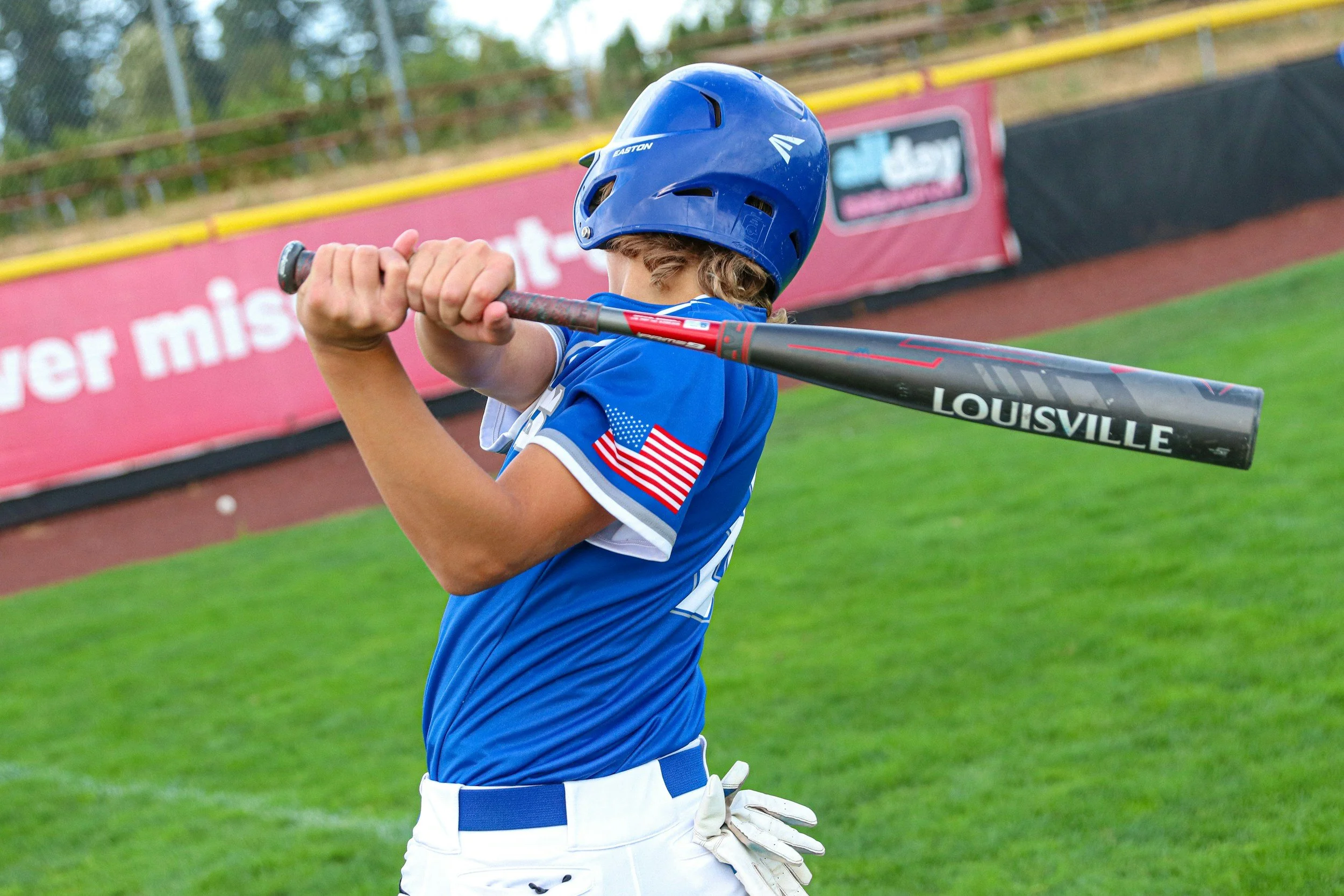
Baseball Fielding Development Training
Baseball Fielding Training in Manassas, VA
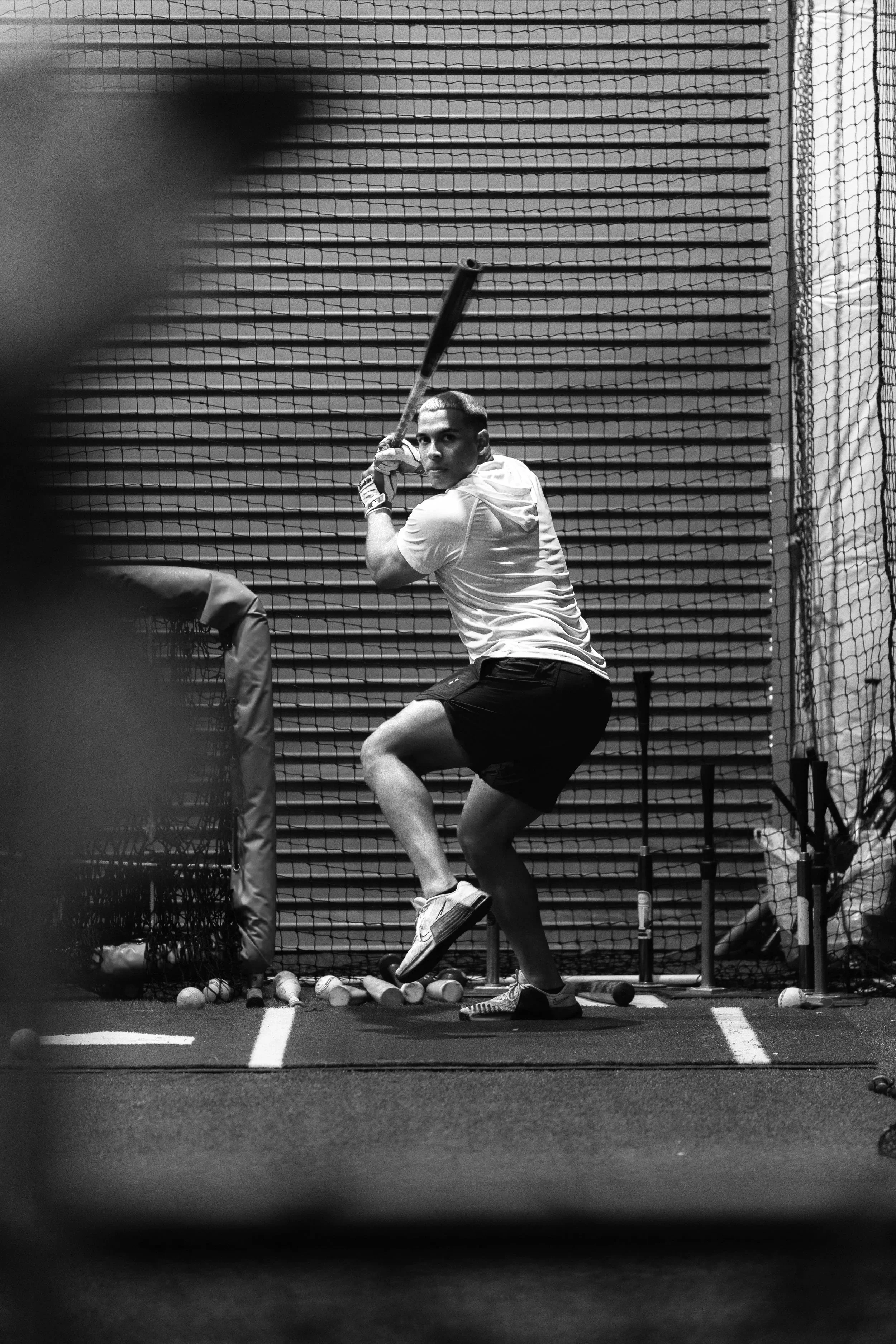
BASEBALL FIELDING, POSITION BY POSITION
DEFENSE IS A DISTANCE PROBLEM.
On a 90 foot diamond, a shortstop in the hole throws about 130 feet, on the run, to a target the size of a mitt, while a runner is four seconds from the bag.
FIRST STEP FOOTWORK EXCHANGE SPEED BACKHAND CROW HOP CUTOFF THROWS RANGE
FIRST STEP FOOTWORK EXCHANGE SPEED BACKHAND CROW HOP CUTOFF THROWS RANGE
OUR PROCESS
HOW IT WORKS
STEP 1
FIELDING ASSESSMENT
We watch your player field, tell you what we see, and show you where they would gain the most. Range is mostly reaction, not speed, so we start with the first step.
STEP 2
POSITION-SPECIFIC PLAN
Infield work is short reaction, exchange speed, and footwork on the throw. Outfield work is reads off the bat, routes, crow hops, and the cutoff. A player who does both gets time on each.
STEP 3
TIMED, TARGETED REPS
Ground balls with a bucket and no purpose do not change a player. Every rep has a target, a time, or a count on it, and your player hears the number after each one.
HERE’S WHAT YOU GET
WHAT’S INCLUDED
► Fielding Assessment
► First-Step Quickness
► Timed Split Step
► Crossover And Angles
► Glove Work Fundamentals
► Timed Exchange Drills
► Throwing On The Move
► Backhand And Slow Rollers
► Double Play Turns
► First Base Picks
► Outfield Routes And Reads
► Cutoff And Relay Throws
What Baseball Adds on Top
Our fielding training program for baseball and softball covers the glove work and the basics of a clean transfer. This page is about what baseball adds on top: more ground to cover per player, longer throws, and footwork that changes depending on where your player stands. Nothing about a play in the hole is solved by taking more ground balls straight at them.
The First Step Decides the Play
The fielders who look fast are the ones already moving when the ball is struck.
We train a timed split step that lands as the pitch reaches the hitting zone, so your athlete is light on their feet at contact instead of flat footed. Then we work the read: first step angle, crossover, and the discipline to go back on a ball rather than drifting sideways. A half second of hesitation costs more range than a tenth of a second of foot speed ever will.
The Exchange, Against a Real Clock
A high school runner gets down the line in roughly 4.2 to 4.5 seconds. Once you subtract the time the ball takes to reach the fielder and the flight of the throw, the window from glove touch to release is about a second, and on a slow roller it is less.
So we time it. Glove to hand, hand to release, feet under the throw. Most young infielders lose the play in the transfer, not the field, and they cover it up by rushing the arm, which is where the throwing errors come from. Clean exchange first, then arm speed. Accuracy at 120 feet is a footwork question more than an arm strength question.
Infield Work Is Position by Position
Shortstop and third base
The backhand, the slow roller charge, and the throw from the hole with a crossed body. Third base adds short hop reactions on hard contact with almost no time to set.
Second base
Different throw entirely, mostly shorter and often from an awkward angle. We work feeds to the bag, the double play pivot and turn, and the footwork to get around the ball rather than reaching across it.
First base
The most under-taught spot in youth baseball. Picks in the dirt, footwork on the bag, holding the stretch, and knowing when to come off it to save the out.
Outfield Is a Different Job, Not an Easier One
Outfielders get fewer chances and more responsibility on each one. We train the read off the bat, getting behind the ball so momentum is already going toward the target, the crow hop, and the do-or-die charge on a base hit with a runner going first to third.
Then we train the boring part that wins games: hitting the cutoff man in the chest. A throw that reaches home on a hop through the cutoff beats a throw that sails over everyone every single time.
Where the Ball Actually Goes
Pre-pitch positioning is usually taught by guesswork. We use the HitTrax spray chart data we use for positioning from our hitting sessions to show fielders where balls in their age group actually go, which teaches a young infielder to move two steps before the pitch instead of two steps too late.
Coaches Alonso Ruz Vera and Raul Rodriguez run the reps together. Coach Rodriguez in particular built his coaching around fundamentals, game awareness, and position-specific work, which is most of what a defensive session is.
How Sessions Run
Sessions are one hour and coach led. Athletes start at 8 and train through high school and travel ball. Bring a glove and cleats, and a bat if the session includes hitting. Parents are welcome to watch.
Winter is when we do our best defensive work, because footwork, exchanges, and first-step reads all train well indoors while the fields are closed. Footwork changes tend to show up quickly, often inside three or four sessions, and holding them at game speed is the part that takes a season.
We train at one facility, on Robertson Drive in Manassas, and families come in from Gainesville, Haymarket, Centreville, and Burke. Here is more on baseball and softball training in Manassas and on how Centreville families train with us.
When you are ready, book a free evaluation and we will respond within 24 hours. You can also call or text 813-509-6955.
FREQUENTLY ASKED QUESTIONS
-
We start athletes at 8. Early work is glove position, footwork, and confidence on a hop, well before we talk about arm strength.
-
Yes. Infield work is short reaction, exchange speed, and footwork on the throw. Outfield work is reads off the bat, routes, crow hops, and hitting the cutoff. A player who does both gets time on each.
-
Usually, and usually it is not their arm. Erratic throws almost always trace back to a slow transfer or feet that are not under them. We time the exchange first and the accuracy tends to follow.
-
Yes. Winter is when we do our best defensive work, because footwork, exchanges, and first-step reads all train well indoors while the fields are closed.
-
Footwork changes show up quickly, often inside three or four sessions. Holding them under game speed is the part that takes a season.
-
A glove, cleats, and a bat if hitting is part of the session. We supply the rest.
WANT THEM CLEANER IN THE FIELD?
START WITH A FREE EVALUATION
We watch your player field, tell you exactly what we see, and show you where they would gain the most.
READY TO GET STARTED?
BOOK A FREE EVALUATION
Fill out the form, and the BTD team will be in touch to get you scheduled.