
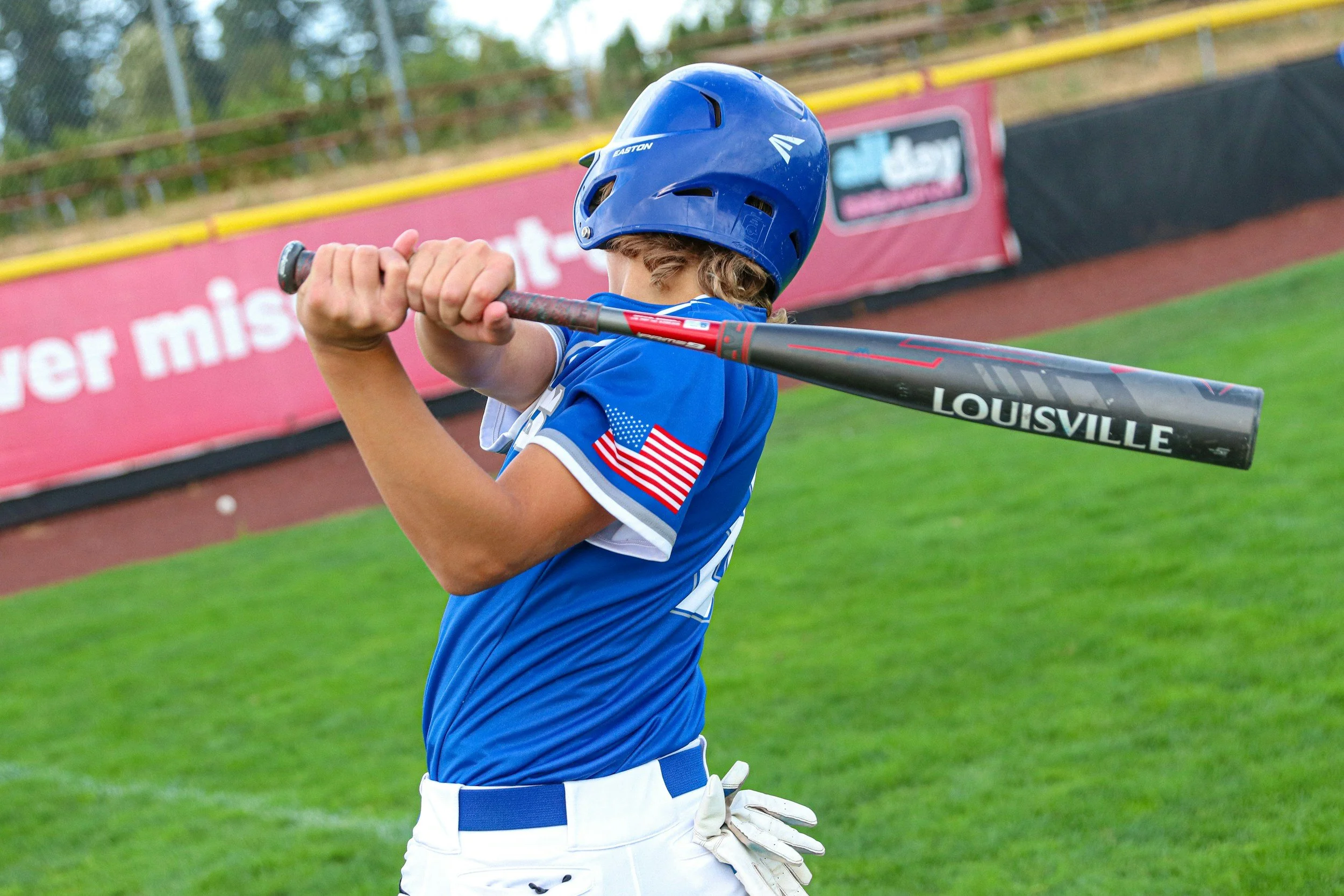
Baseball Strength & Conditioning
Baseball Strength and Conditioning in Manassas, VA
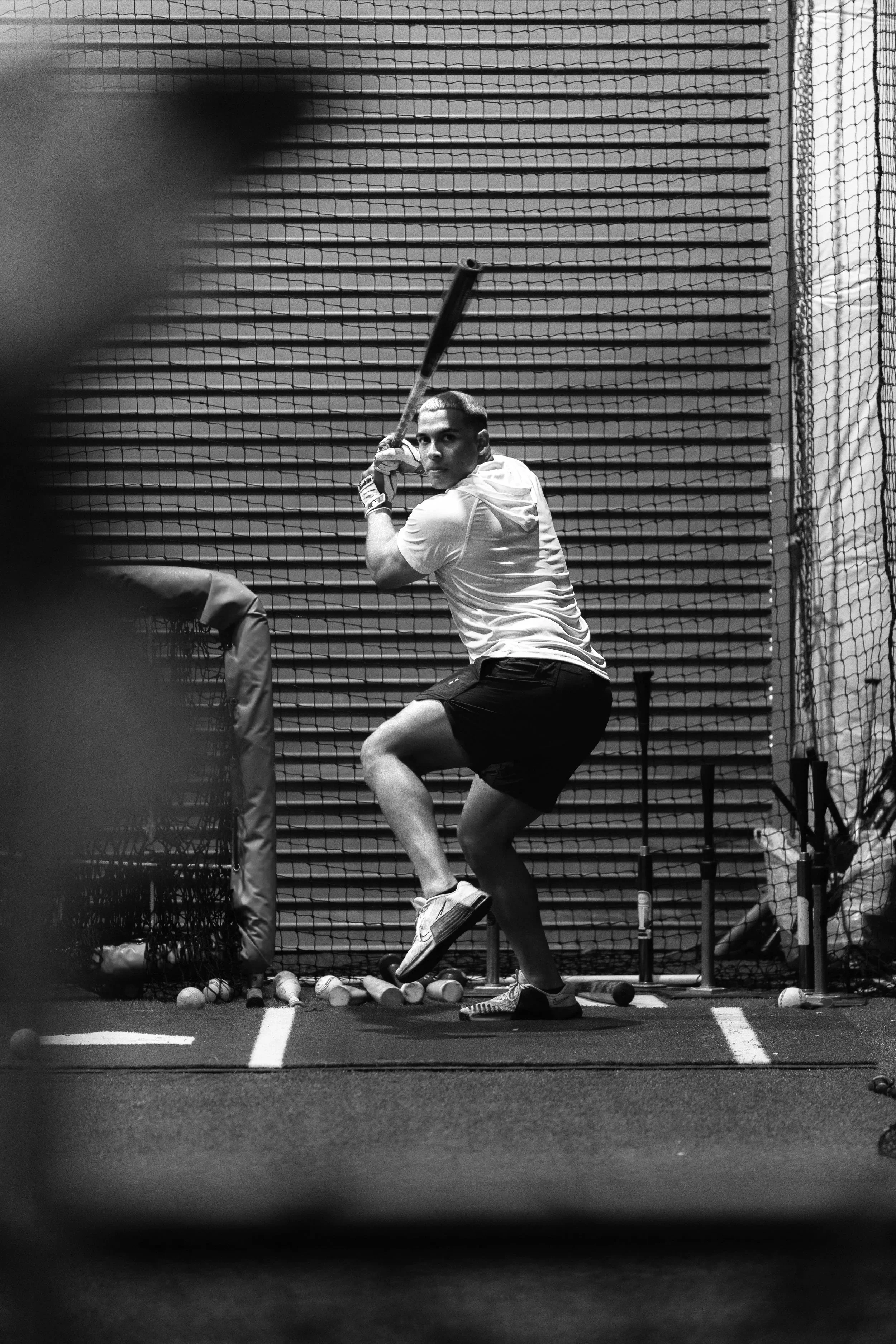
BUILT FOR THE DIAMOND
RUNNING LAPS TRAINS NONE OF IT.
Baseball asks a player to rotate hard, throw far, and reach full speed in about three steps, and they do it after standing still for twenty minutes. Running laps trains none of it.
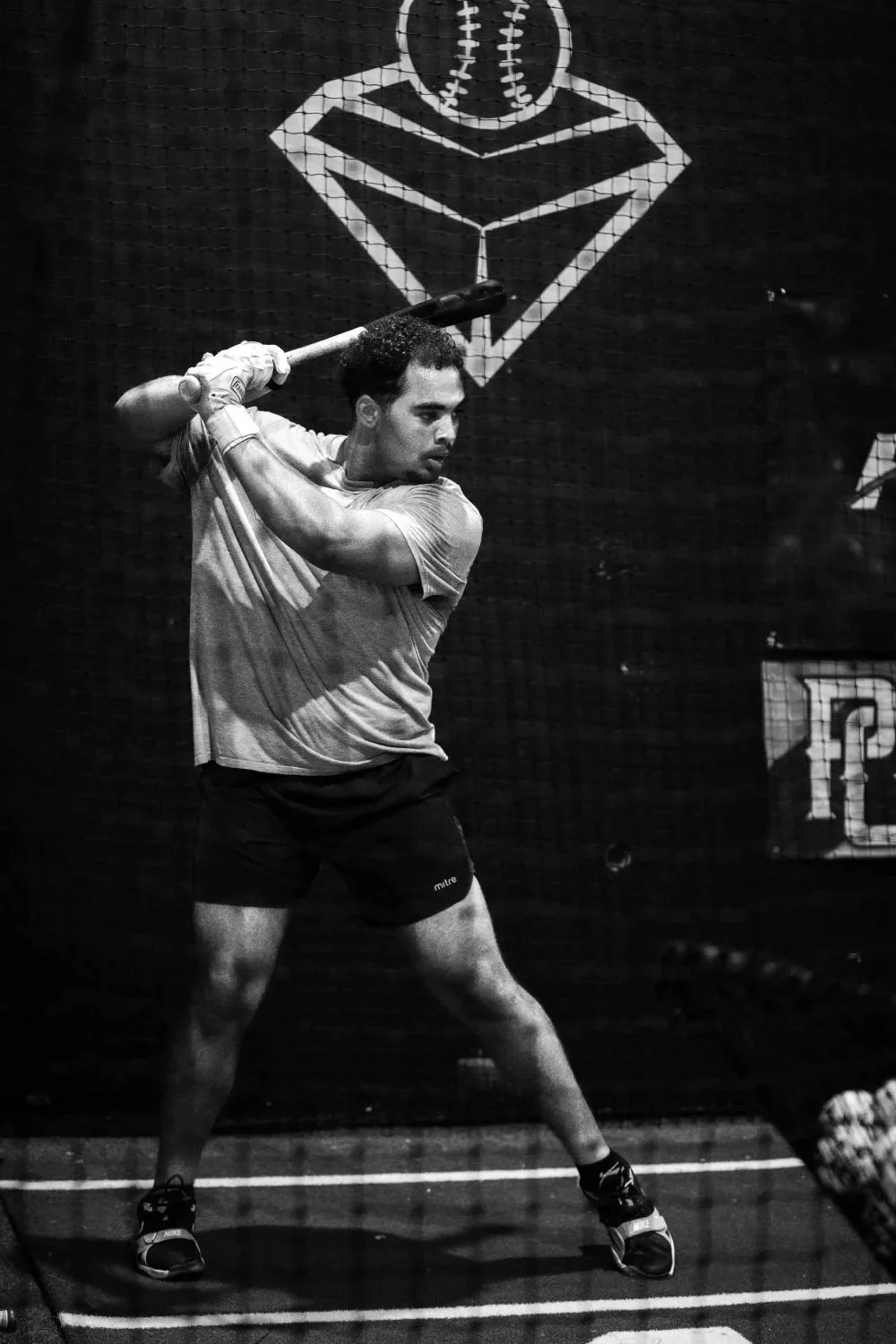
ROTATIONAL POWER ARM CARE MOBILITY ACCELERATION FIRST STEP 60-YARD DASH OFF-SEASON BLOCK
ROTATIONAL POWER ARM CARE MOBILITY ACCELERATION FIRST STEP 60-YARD DASH OFF-SEASON BLOCK
OUR PROCESS
HOW IT WORKS
STEP 1
CHECK HOW THEY MOVE
We look at how they move and check their range early. Baseball players lose thoracic rotation, hip internal rotation, and overhead position, which is a durability problem before it is a performance problem.
STEP 2
BUILD THE CALENDAR
Baseball runs on its own clock. Winter is heavy on strength and power, as tryouts approach we shift toward speed and throwing readiness, and in season we pull volume back.
STEP 3
TRAIN IT IN ORDER
Force starts at the ground, moves through the hips, and arrives at the hands late, so the work follows that order. Arm care is a protocol they learn to run themselves before a game.
HERE’S WHAT YOU GET
WHAT’S INCLUDED
► Movement And Range Check
► Medicine Ball Throws
► Single-Leg Strength
► Anti-Rotation Core Work
► Hinge And Lower Body
► Rotator Cuff And Scap
► Upper Back And Grip
► Arm Deceleration Work
► Thoracic And Hip Mobility
► First-Step Acceleration
► 60-Yard Dash Work
► Off-Season Calendar Planning
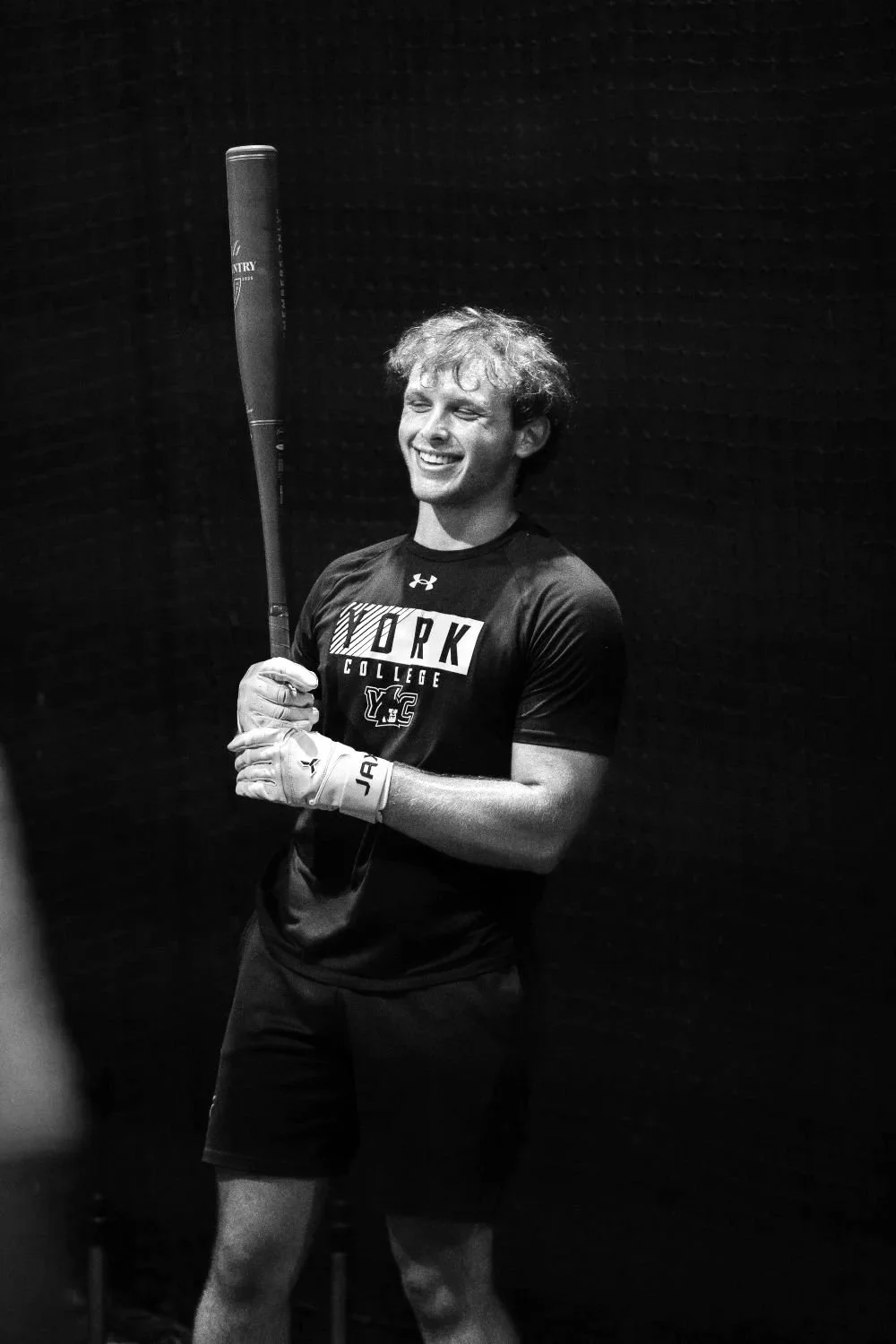
The Baseball Side of Our Strength Program
We run baseball strength and conditioning at our facility on Robertson Drive in Manassas, coach led, up to three sessions a week. This is the baseball side of our strength and conditioning program, and most athletes pair one or two sessions with skill work.
Rotational Power That Shows Up on the Scoreboard
A swing and a throw are the same problem. Strength that never learns the order it is supposed to arrive in stays in the weight room.
So the work follows it. Medicine ball throws in the planes they play in, single-leg strength for the back leg that starts the swing, anti-rotation work so their midsection transfers force instead of absorbing it, and hinging that lets them push the ground away. When that improves, bat speed follows, and it shows on HitTrax exit velocity tracking.
The Overhand Arm Has Its Own Set of Demands
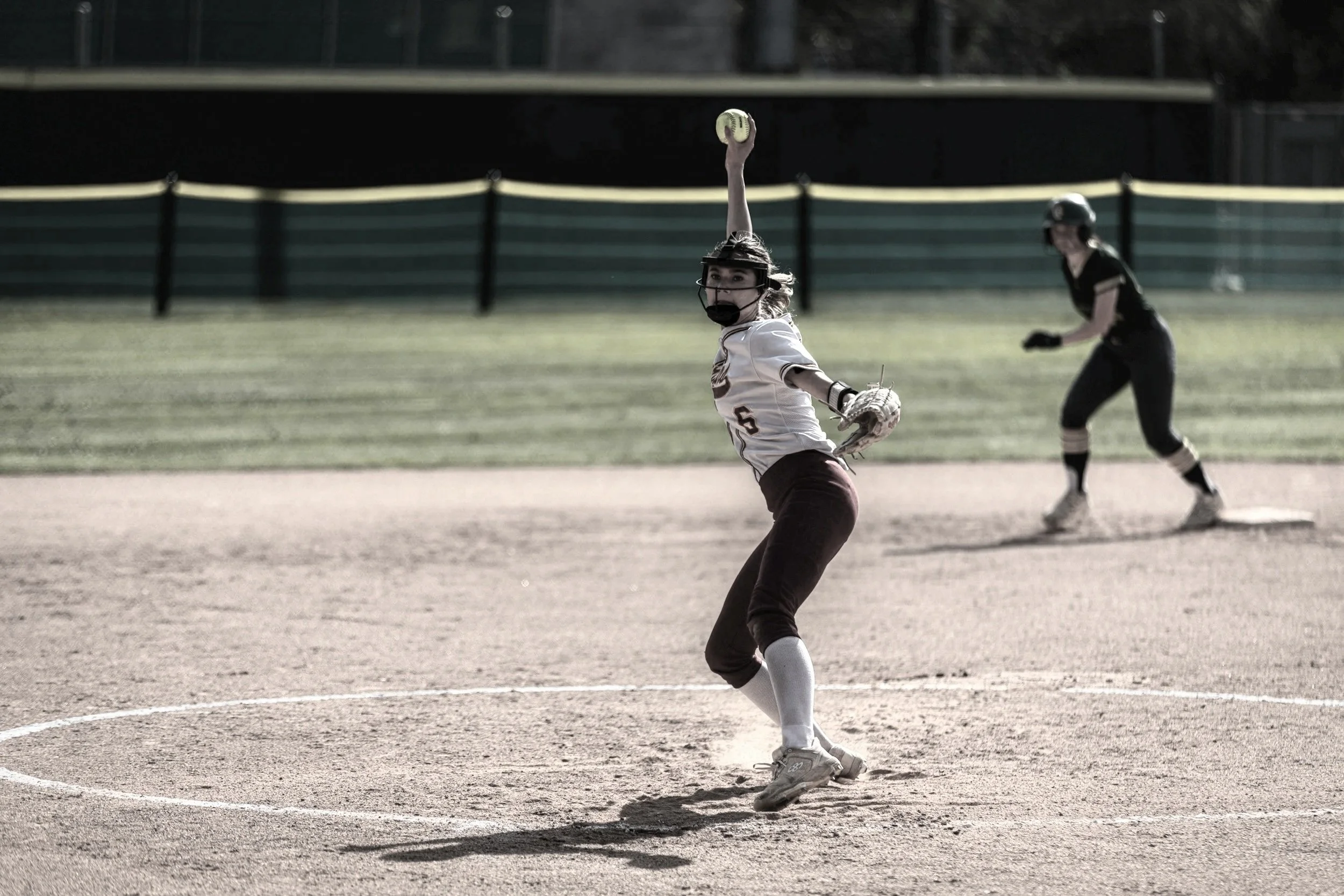
This is where a baseball program and a fastpitch program stop looking alike. A windmill pitcher throws innings with a whole-body motion. A baseball player throws overhand, from a slot the shoulder tolerates only when it is prepared, and their throws are longer than anything in softball. An outfielder throws 250 feet on a line, a shortstop throws across the diamond off one foot, a catcher throws to second from their knees.
Arm care here is a protocol, not a stretch at the end. Rotator cuff and scap strength, upper back, forearm and grip, and the muscles that decelerate the arm after release, since deceleration is where most sore shoulders begin. That is not rehab. It is what keeps them out of it.
Mobility in the Places Baseball Takes It Away
The elbow and low back cover for what the shoulder and hips can no longer do. That is why we check their range early and keep mobility in the program all year rather than treating it as a warm-up.
A hitter who separates their hips from their shoulders gets more out of the strength they already have, and a thrower who rotates through the mid back stops asking their elbow to cover for it.
Ninety Feet, and the First Three Steps
Home to first is a sprint they never finish at top speed. Same for a first step in the outfield, a jump on a steal, a read in the gap. So we train acceleration, change of direction, and the ability to stop, which is what range is made of.
For high school athletes we train the 60-yard dash directly, since it is the number showcases post next to their name and it responds to coaching.
Building on a Baseball Calendar
Fall ball ends and the arm needs real time down. December through February is when change actually happens, because they can train hard without paying for it on Saturday. Then tryouts arrive and spring stacks school ball on top of travel ball, so they show up sharp rather than sore. Tell us their schedule and we will build the calendar with you.
How the Program Runs
Sessions are one hour, up to three times a week. Owner and head coach Alonso Ruz Vera writes the programming. He played four years of college baseball and holds a Master's in Exercise Science and Nutrition. Coach Raul Rodriguez runs skill work alongside him. Between them, 10+ years of combined coaching experience, 500+ athletes trained, and 25+ athletes who have gone on to play in college.
Athletes start at age 8. The 8 to 11 group works on body control, landing, and coordination, and load comes later with a coach in front of them. Bring a bat, glove, and cleats. We supply the rest, and parents are welcome to watch.
We train players from Manassas, Gainesville, Haymarket, Centreville, and Burke at one facility on Robertson Drive. There is no second location. See baseball training in Manassas or the drive from Centreville.
The first evaluation is free. Book a free evaluation and we respond to every inquiry within 24 hours. You can also call or text 813-509-6955.
FREQUENTLY ASKED QUESTIONS
-
Baseball specific. The rotational work matches a swing and an overhand throw, the arm care is dosed for long throws from an overhand slot, and the speed work is built for 90-foot base paths.
-
At 8 to 11 they are not lifting much of anything. They are learning to land, brace, decelerate, and control their body. Loaded work comes when they are ready, under supervision.
-
Right after fall ball, once their arm has had time down. December through February is where the biggest gains are, because there is no Saturday game to protect.
-
It helps, and it is one factor among several. Our hitters average a 3 to 5 MPH exit velocity increase within the first four weeks, and athletes who add conditioning to their [baseball hitting training](/baseball-hitting-training) hold those gains better through the summer. Arm strength follows the same path, and it shows up in longer throws from the hole and cleaner carry from the outfield.
-
Up to three. Two suits most travel ball players in the off season, one is realistic once the spring season starts, and three fits a high school athlete building toward tryouts.
READY FOR THE OFF-SEASON?
THE FIRST EVALUATION IS FREE
We will look at how they move, tell you where the gaps are, and lay out exactly where we would start.
READY TO GET STARTED?
BOOK A FREE EVALUATION
Fill out the form, and the BTD team will be in touch to get you scheduled.